
UP YOUR DOG SHOW GAME
Helping Breeders &
Exhibitors Succeed in the Show Ring
GREAT QUESTION
UP YOUR DOG SHOW GAME
Helping Breeders &
Exhibitors Succeed in the Show Ring
GREAT QUESTION
Ask A Judge
Answers By Sid Marx
"Each breed standard provides a detailed description of the type of temperament a breed should have, ranging from outgoing and friendly to alert or aloof, depending on the breed's original purpose. In the modern era of urbanization, many breeds have transitioned from their traditional roles as hunting or working dogs to becoming beloved family companions. However, the need for a good temperament remains essential. It's concerning to see dogs with less-than-ideal temperaments at shows, such as fearfully pulling away, wild-eyed, and shaking when the judge approaches, yet still being awarded points. What are your thoughts on this?"
The question of temperament is – or should be – of paramount importance for a breeder, regardless of breed or function. As indicated, each breed standard defines what the breed’s temperament should be, and this is directly in line with the breed’s function. No matter how great a breeder is, the majority of their puppies are sold as a new addition to a family. This would be a good time to remind breeders and families looking for a puppy, that not all breeds are supposed to be sweet, cuddly teddy-bear dogs as adults, and not every breed fits with every family. Placing the right breed with the right family should be our ultimate goal, and that is why the largest percentage of abandoned dogs do not come from reputable breeders.
The discussion of soundness versus type has been around as long as has dog shows. Personally. I don’t believe they can be separated because soundness – however that is demonstrated in a specific breed - is inherent in breed type. And by soundness I would include mental stability. But what is good breed temperament in the ring?
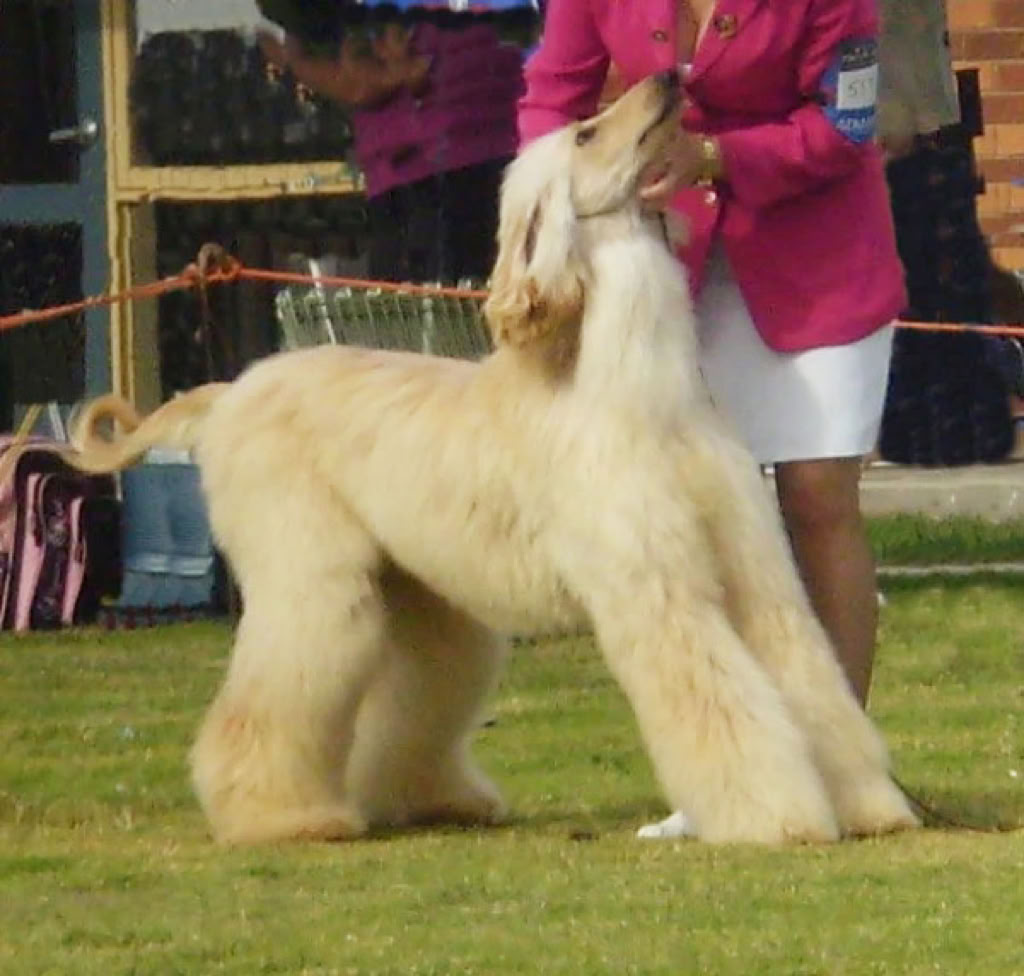
To a great extent, it depends on the purpose of the breed. I would expect a protection breed to stand its ground, but a wagging tail is certainly not required. Sighthounds tend to be described as aloof, and like many breeds, should be examined quickly, quietly, and efficiently. As a matter of fact, there is no reason to linger over any dog and give it a massage. Even breeds who are expected to be very sociable and friendly, are not always delighted to have a stranger run his hands all over him, but allowing the judge to examine him is enough. A judge should have gentle but firm hands when examining a dog.
I have seen instances where what appears to be a questionable temperament has been caused by a judge or the handler. A judge should have some dog-sense, and be able to tell when a dog is not feeling at its best, or could be a problem. Judges who do not normally judge Working Breeds or Herding Breeds may be a little concerned about examining the dog, and certainly, the dog feels this and could react. Sometimes, it is the handler’s nerves who are sensed by the dog, and puts it on alert, almost telling the dog that something is wrong and be on alert.
The question states that there are dogs who are fearfully pulling away, wild-eyed, and shaking when the judge approaches, yet still being awarded points. This should never happen. A judge should give a frightened or novice dog a couple of chances to pull itself together, but if this can’t be done, the dog should be excused. If an excusal is done properly, it could be good for the dog. We certainly don’t want to let the dog think that this behavior will stop the strangers from touching it, but neither should the dog be physically forced to stand, as this could establish that a dog show is something for the dog to fear. Breeders and exhibitors should understand that a judge does not want to excuse – or disqualify – any dog, but he has the responsibility to protect the breed – and the next judge. Many times, after I have excused a dog, I will get with the handler outside the ring later, and simply stand next to the dog and gently start to pet it, trying to lessen the frightening experience.
I remember a time that a very frightened young Cocker Spaniel was being shown to me. She absolutely wanted no part of me, demonstrating this by whimpering and climbing up the exhibitor’s arm. I tried letting it move before I examined her, tried giving in bait, and tried to very slowly approach her as I was talking to her. She wanted nothing to do with it. I had no choice, but to excuse her. Is this the type of temperament we want displayed by a merry Cocker Spaniel? A woman sitting ringside said loudly enough for me to hear, “Well he just broke the major.” I stood right in front of her and asked her if she would like me to bring the bitch back into the ring and to force her to let me examine by just grabbing hold of her. I said, “I can do that, but the bitch will never be shown again because of that experience. Or she will try to bite me out of fear and I will have to disqualify her. Do you think that is what the owner would want?” She just looked down and shut up.
We should want all our dogs – in the ring or not – to be sound physically and mentally.
Enjoy your dogs.
Thank you Mr Sid Marx for writing these wonderful answers to our group member questions. They are always thought provoking and educational for both the seasoned exhibitor and to the newer breeders and exhibitors to our sport.
You may also enjoy reading other great articles, both current and past, by Sid Marx in his column which appears in Dog News magazine and online, The Judge Marx the Spot at https://www.dognews.com/sid-marx-0

SHARE US WITH YOUR FRIENDS ON FACEBOOK